This Michelin Star vs James Beard guide explains the difference between the two and why it matters when choosing where to dine.
The Michelin Star and the James Beard Award are two recognised benchmarks of dining excellence.
A Michelin Star is awarded by the Michelin Guide to restaurants in selected parts of the world. It reflects the restaurant’s food standards, not just the chef.
A James Beard Award, presented by the James Beard Foundation, is given in the United States. It recognises chefs for their contribution to American food culture.
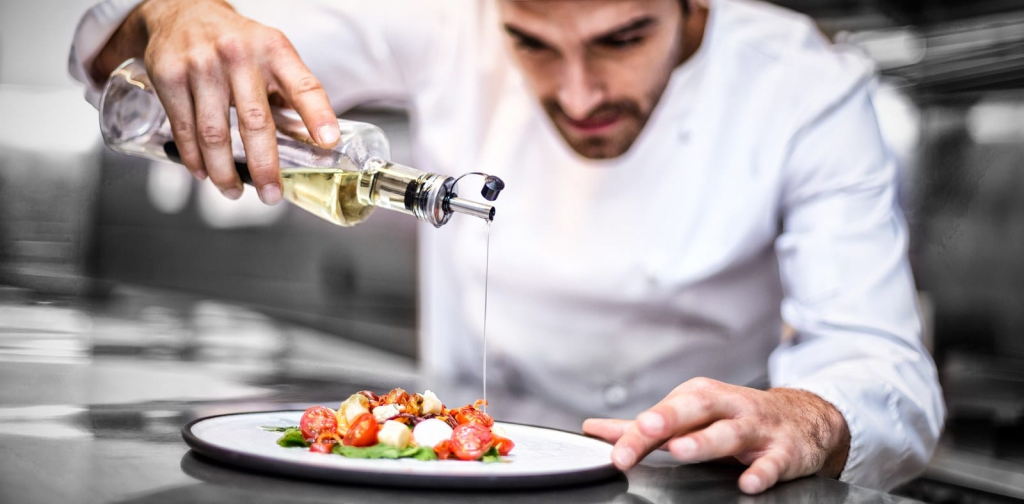
What a Michelin Star Means for a Diner
- Food follows a fixed standard:
The restaurant prepares dishes the same way each time. It follows strict internal rules. This standard stays in place even if key kitchen staff change. Most restaurants aim for reliable results. Michelin-starred restaurants face repeated inspections. So, they perform at a level far above what is required of most restaurants.
- Menus are structured:
Many Michelin-starred restaurants offer tasting menus. Or, they limit the number of dishes guests can choose from. The restaurant decides the order of the meal and serves each course one by one.
- Dining follows a controlled service flow:
The service follows a set structure. The staff sets tables consistently across the room. The restaurant decides when each course is served.
- Pricing is typically high:
Meal prices reflect skilled labour, premium ingredients, long preparation times, technique and consistency. Portion size and menu variety do not drive pricing.
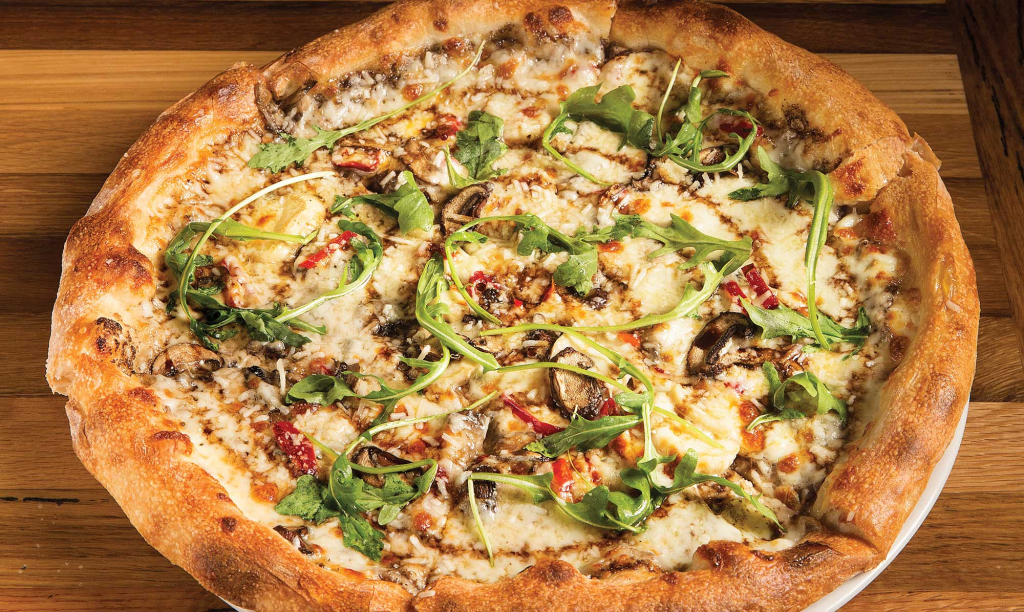
What a James Beard Award Means for a Diner
- Food reflects the chef’s ideas:
The award recognises chefs whose menus show their choices and priorities. This expression may appear as bold flavours, unusual combinations, familiar dishes cooked in a new way, or menus that change often.
- Commitment to sustainability and community:
Some James Beard–recognised restaurants focus on sourcing local ingredients or building a healthy workplace culture. The award mainly recognises the chef’s influence on American food culture.
- Menus offer flexibility:
James Beard–recognised restaurants usually offer more diversity compared to Michelin-starred restaurants. The meal moves at the guests’ pace. Guests choose what to order from the menu.
- Service is relaxed and personal:
James Beard–recognised restaurants focus more on comfort and hospitality than on strict timing or formality.
- Pricing varies widely:
James Beard recognition does not signal a price level. Some awarded restaurants are fine dining. Others are casual neighbourhood places. Prices reflect the restaurant’s style and setting, not a universal benchmark.

Choosing Between Michelin Star and James Beard
If You Want a Planned, Destination-Style Fine Dining Experience
Choose a Michelin-starred restaurant.
Michelin-starred restaurants suit milestone dinners and special occasions. The experience is structured, with clear expectations around food quality and execution.
James Beard recognised restaurants, too, offer excellent food. But the experience is often less fixed and less predictable. It may not suit diners seeking a tightly planned evening.
If You Want to Explore a Specific Food Culture
Choose Michelin Star or James Beard recognition, depending on the cuisine.
Diners often turn to Michelin when looking for top-quality Japanese or European food.
They use James Beard to find strong American regional food, like Southern, Midwestern, or local farm-driven cuisine.
If Budget Clarity Matters When Choosing a Restaurant
Choose Michelin when you are comfortable spending more. Michelin-starred restaurants usually operate within a premium price range.
Choose James Beard–recognised restaurants when you want more flexibility around cost.
If You Are Dining Outside Major US Cities
Choose Michelin if you want destination dining in major US cities or within their regional guides, which cover the Southwest, the American South, Texas, Florida, California, and Colorado.
Choose James Beard if you are anywhere else in the U.S.
If You Prefer Consistency
Choose Michelin when you want a similar experience each time you visit. The food, pacing, and structure stay largely the same from one visit to the next.
If You Prefer Culinary Evolution
Choose James Beard–recognised restaurants if you enjoy seeing how a chef’s food develops. Menus may shift as chefs try new ingredients, techniques, or directions.
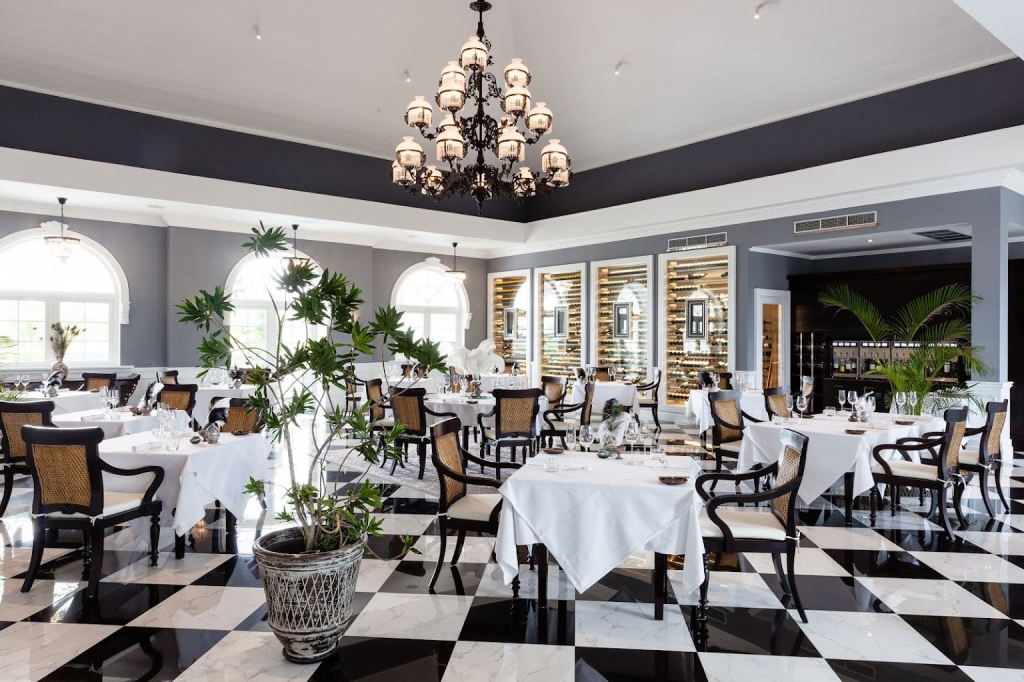
Experience Fine Dining at Apéritif Restaurant in Ubud, Bali
Apéritif Restaurant is a fine dining restaurant in Ubud. For diners who value a structured, chef-led dining experience, Arpéritif Restaurant reflects the qualities associated with Michelin Star Dining in Bali.
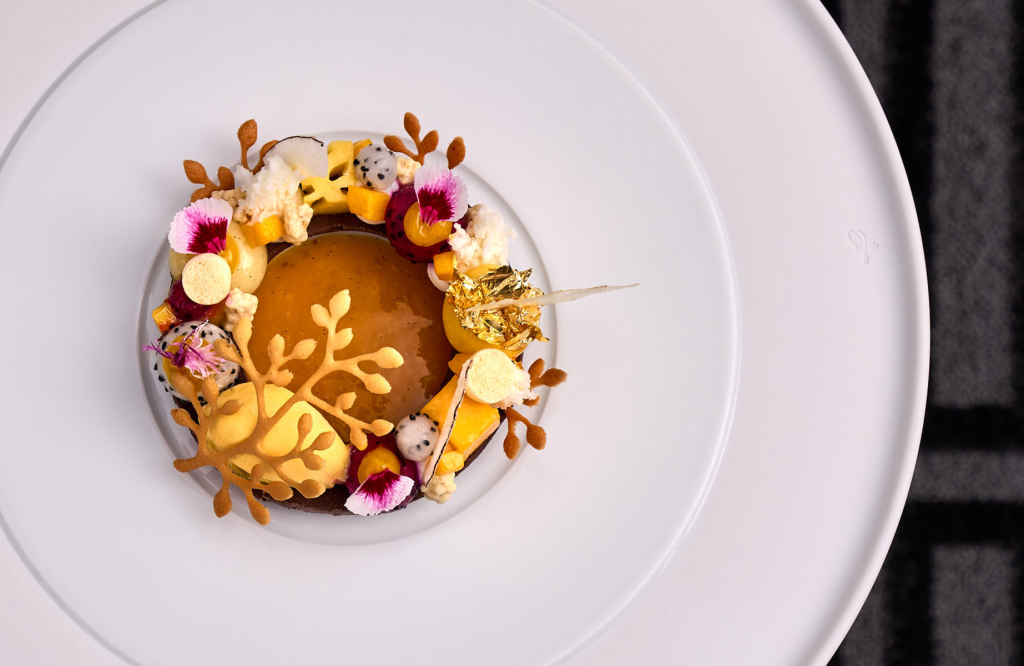
The degustation menu draws on modern European techniques and Indonesian ingredients. Vegan and vegetarian tasting menus are available. The experience is supported by attentive service and a 1920s colonial setting. Reservations are recommended. Book now.
Michelin Star vs James Beard – FAQs
- Why do Michelin Stars appear in some US cities but not others?
Michelin publishes guides for a few regions in the US. Restaurants in cities without a Michelin Guide are not eligible for stars, regardless of high quality.
- Does Michelin Bib Gourmand compare to James Beard nominations like Emerging Chef or Best New Restaurant?
Michelin’s Bib Gourmand highlights restaurants that serve high-quality food at moderate prices. For diners in the US, both Bib Gourmand and James Beard nominations are useful when you want excellent food without choosing a full fine-dining experience.
- Is a James Beard Award higher than a Michelin Star?
No. The two honours are not ranked against each other. They recognise different forms of excellence. A Michelin Star is widely used as an international benchmark for dining standards. A James Beard Award is the highest culinary honour in the United States. For diners, the difference is in what each award helps you understand before choosing where to eat.